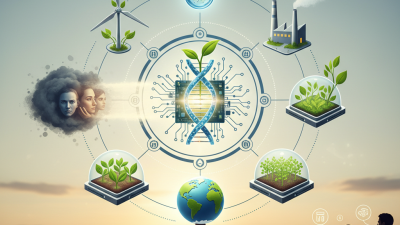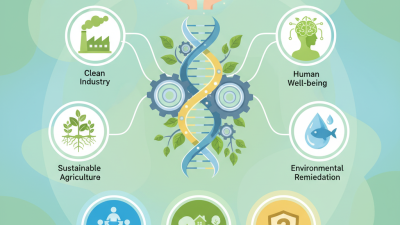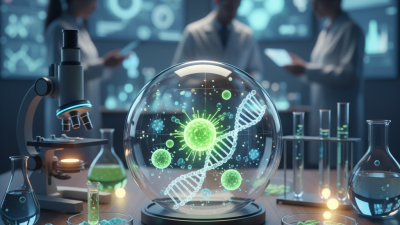
Biotechnology products have become integral to modern healthcare. These products revolutionize treatment options and enhance patient outcomes. They include medications, vaccines, and diagnostic tools that target diseases more effectively.
The growth of biotechnology products in healthcare addresses pressing medical challenges. For instance, biologic therapies offer personalized treatments for conditions like cancer and autoimmune diseases. Their ability to adapt to individual patient needs marks a significant advancement in medicine.
Despite their benefits, the reliance on biotechnology products prompts reflection. The high cost of these innovations raises questions about accessibility. Additionally, the ethical implications of genetic modifications warrant thoughtful discussion. Overall, biotechnology products represent a crucial intersection of science and patient care that drives forward modern healthcare.
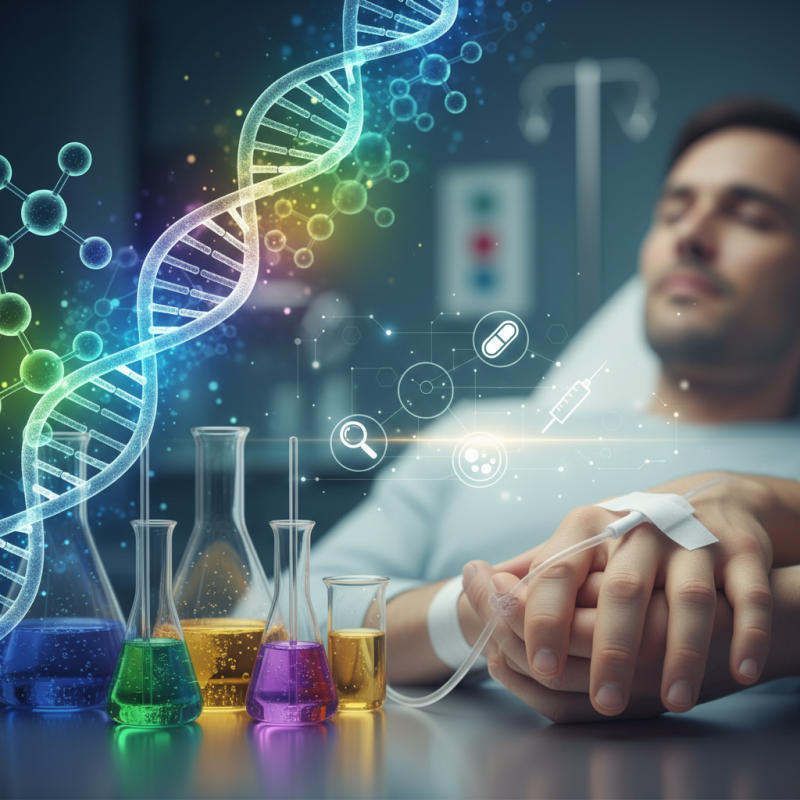
Biotechnology plays a crucial role in modern healthcare, particularly in disease prevention and treatment. Innovative therapies are now developed using genetic engineering and molecular biology. For instance, vaccines are crafted to trigger immune responses effectively. Each year, these biotechnological advancements save countless lives.
Gene therapy is another remarkable application. It aims to correct genetic disorders. However, it still faces ethical concerns and technical challenges that require careful consideration. The journey of developing a gene therapy is complex and fraught with unknowns.
Biotechnology also aids in personalized medicine. Treatments are tailored to individual genetic profiles. This approach promises better outcomes but raises questions about accessibility and equity in healthcare. The balance between innovation and ethics remains a focal point in the ongoing evolution of healthcare solutions.
Synthetic biology is revolutionizing modern healthcare. It combines biology and engineering to create innovative medical solutions. Techniques such as gene editing and synthetic genes enable researchers to tackle diseases effectively. For example, genetically modified organisms can produce important vaccines or therapeutic proteins. This advancement streamlines production and enhances safety.
However, there are challenges. Ethical concerns arise around genetic modifications. Some worry about the potential long-term effects on ecosystems and human health. Regulatory frameworks often lag behind rapid advancements. This creates uncertainty in the field. Both scientists and policymakers must engage in dialogue to address these issues.
The potential benefits of synthetic biology are immense. It offers personalized treatments that cater to individual genetic profiles. Additionally, it can lead to cost-effective solutions for widespread health problems. But with great power comes responsibility. Continuous reflection on ethical implications is necessary as we move forward in this field. Balancing innovation with caution is vital for sustainable progress in healthcare.
Personalized medicine is revolutionizing healthcare. It focuses on tailoring treatments to individual patients. This approach considers factors like genetics, environment, and lifestyle. By harnessing biotechnology, healthcare providers can create more effective therapies.
With advancements in gene editing and biomarker discovery, treatments can now be designed to fit specific patient profiles. For example, some cancer therapies target genetic mutations found only in certain individuals. This specificity can lead to better outcomes and fewer side effects. However, challenges remain. Not all patients respond well to these bespoke treatments. There is a need for ongoing research and optimization.
Moreover, access to personalized medicine differs globally. In some areas, patients may lack access to genetic testing or advanced therapies. This inconsistency raises ethical questions about equity in healthcare. As biotechnology continues to evolve, healthcare systems must address these disparities. More must be done to ensure every patient benefits equally from these groundbreaking developments.
Biotechnology plays a crucial role in vaccine development, significantly improving public health outcomes. According to a report by the World Health Organization, vaccines prevent an estimated 2 to 3 million deaths annually. This is a clear reflection of how biotechnology has transformed our ability to respond to infectious diseases.
Advancements in biotechnological methods, such as recombinant DNA technology, have enabled the rapid development of vaccines. For instance, mRNA vaccines were developed and approved within a year during the COVID-19 pandemic. This unprecedented speed illustrates biotechnology's potential to address global health crises. However, challenges remain. Not all vaccines reach the markets quickly enough, and distribution inequities persist across regions.
Tip: Stay informed about vaccine developments and public health announcements to understand the changing landscape of disease prevention.
Moreover, biotechnology also opens new avenues for personalized medicine. Tailoring vaccines to individual genetic makeups can optimize effectiveness. However, ethical concerns regarding access and equity must be addressed. The continuous evolution of biotechnological tools offers hope but requires vigilance in ethical considerations.
Tip: Engage with credible sources to grasp the complexities of biotechnology in healthcare.
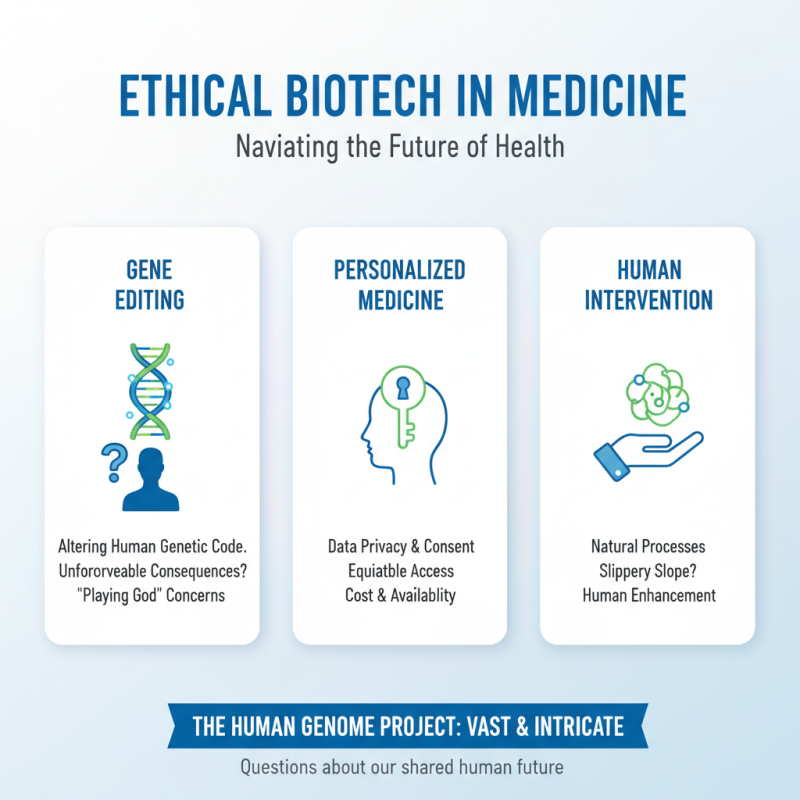
The integration of biotechnology in medicine brings forth complex ethical considerations. As biotechnology progresses, its applications, like gene editing and personalized medicine, raise questions about human intervention in natural processes. The Human Genome Project revealed that our genetic makeup is vast and intricate. Altering this fabric could have unforeseeable consequences.
According to a report from the National Academy of Sciences, nearly 90% of biopharmaceuticals in clinical development employ biotechnology. This rapid advancement encourages innovation but also demands scrutiny. Issues such as genetic privacy and informed consent become pivotal. Who owns genetic data? How do we protect vulnerable populations involved in trials? These concerns cannot be overlooked.
A survey conducted by the Pew Research Center highlighted that 65% of Americans see gene editing as ethical when for treating disease, yet almost 50% worry about unintended effects. Balancing innovation with ethical responsibility is crucial. The benefits of biotechnology are significant, but they should be pursued alongside rigorous ethical standards. Addressing these questions is vital as we navigate this evolving landscape.
Please fill in as much details as possible and we will take care of your request as soon as possible