
10 Essential Tips for Choosing Biotechnology Products Effectively

Choosing the right biotechnology products can be challenging. The global biotechnology market is projected to reach $727.1 billion by 2025. This immense growth highlights the importance of making informed decisions. With so many options available, it is crucial to identify products that meet your specific needs and objectives.

Biotechnology products impact various sectors, from healthcare to agriculture. A recent report from Allied Market Research states that the healthcare segment accounted for 57% of the biotechnology market in 2021. However, not all products deliver the promised results, and some may fall short of expectations. Therefore, careful evaluation is necessary to avoid potential pitfalls.

Understanding the market landscape is essential. Consumers must consider factors like regulatory compliance and manufacturing standards. Additionally, examining user reviews and case studies can provide valuable insights into product effectiveness. Choosing the right biotechnology products is not just about selection; it requires ongoing reflection and adaptation.

10 Essential Tips for Choosing Biotechnology Products Effectively

Understanding Your Specific Biotechnology Needs

When it comes to selecting biotechnology products, understanding your specific needs is crucial. Start by identifying your goals. Are you looking for products that enhance research, streamline production, or improve diagnostics? Each category has distinct requirements. You may need to dig deeper, reflecting on what particular features matter most. For instance, some projects necessitate high-throughput capabilities, while others require detailed, qualitative data.

Listening to your team’s input can be helpful. Their experiences can highlight essential features or potential pitfalls. Are there areas where you felt previous products fell short? Make a note of these shortcomings. It’s important to learn from past selections. Sometimes, the most compelling product on paper doesn't meet practical needs.

Evaluating the support offered is another essential aspect. Will the supplier provide adequate training? This factor can make a significant difference. In some cases, a lower-cost product might come with limited support, leading to unexpected challenges. Prioritize solutions that align with your operational requirements and offer robust backup. Balancing all these factors takes time and honesty, but it’s key to making the right choice. Reflect on not just what works best now, but what will grow with your evolving needs.
Evaluating the Quality and Safety of Biotechnology Products

Choosing biotechnology products requires careful evaluation of quality and safety. It’s essential to look for certifications from recognized authorities. These certifications often indicate adherence to specific safety standards. Research shows that products with verified quality credentials have a 70% lower chance of related health issues.

Additionally, understanding the manufacturing processes is crucial. Transparent companies usually provide detailed information on their production methods. For instance, data from industry reports highlight that 80% of safe bioproducts come from facilities using Good Manufacturing Practices (GMP). Without this transparency, consumers may unknowingly purchase subpar products.

Safety testing data is another vital component to consider. Products that pass rigorous testing protocols typically minimize risks. Yet, many biotechnology products on the market lack comprehensive safety evaluations. Reports indicate that nearly 15% of bioproducts have inconsistencies in their batch testing. This raises questions about their reliability. Prioritizing quality and safety can lead to better choices in an ever-evolving biotech landscape.

Researching Manufacturer Reputation and Certifications

10 Essential Tips for Choosing Biotechnology Products Effectively

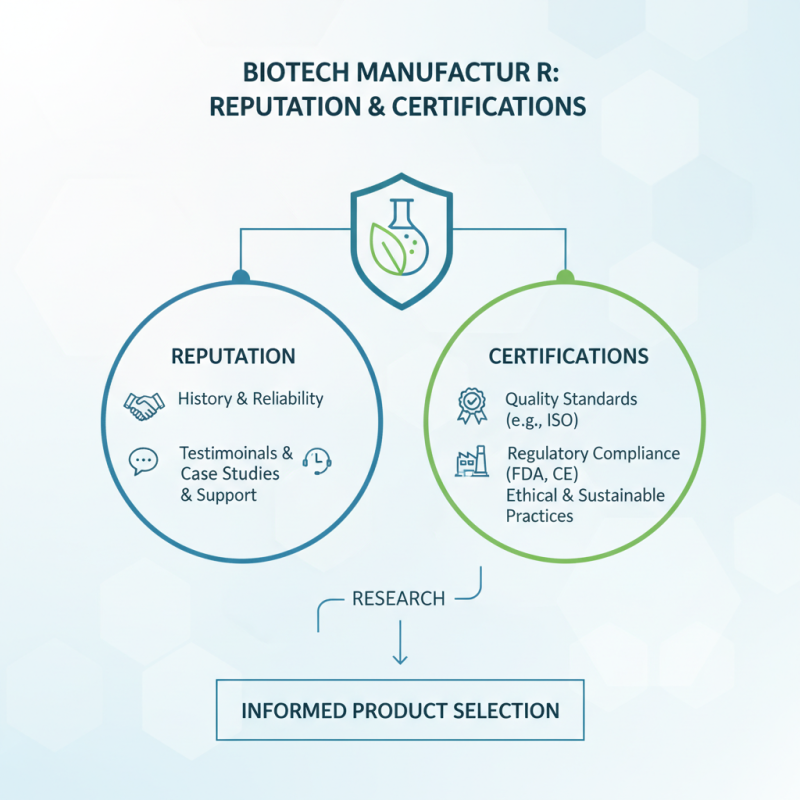
When selecting biotechnology products, understanding the manufacturer's reputation is vital. A company's history often reflects its reliability. Look for testimonials or case studies. These can provide insight into the quality of their offerings. Also, check their track record regarding customer service. Timely support can significantly affect your experience.

Certifications are another crucial aspect. A product with the right certifications usually indicates a higher standard of quality. It suggests compliance with industry regulations. However, not all certifications are the same. Some may be outdated or poorly recognized. Verify the issuing body’s credibility. This can prevent future complications in your projects.

Conducting thorough research is key. Don't rush this process. Poor choices can lead to inefficiencies. Think about your specific needs. Are you prioritizing quality, pricing, or both? Engage in discussions with other professionals to gather recommendations. Make sure you weigh different options carefully before making a final decision.

Comparing Costs and Budgeting for Biotechnology Purchases

10 Essential Tips for Choosing Biotechnology Products Effectively

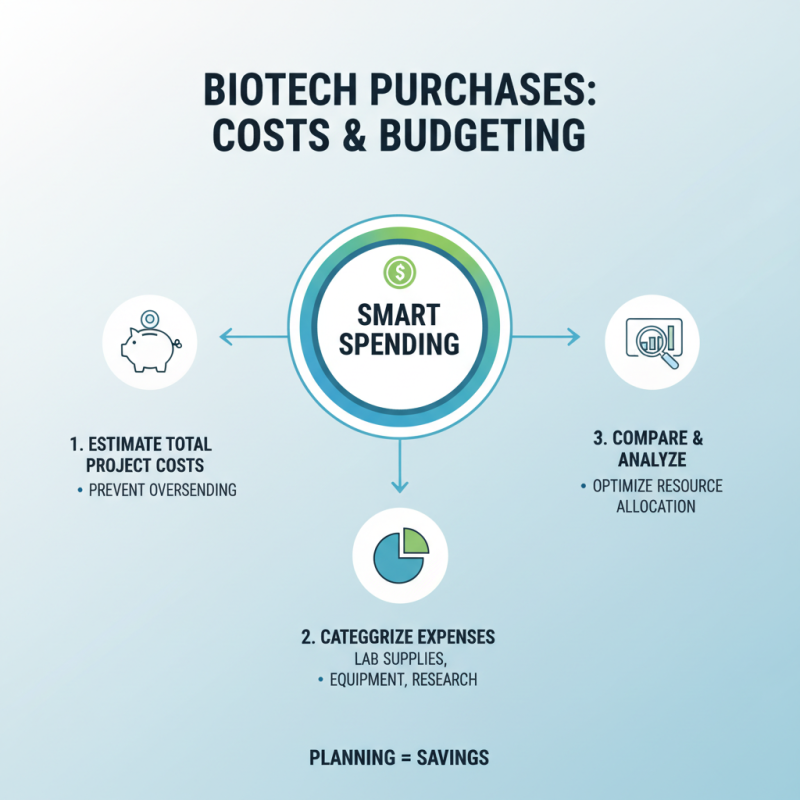
When it comes to selecting biotechnology products, budgeting and costs are critical components. A well-planned budget can prevent overspending. Start by estimating your total project costs. Break down expenses into categories. This will give you a clearer view of where the money will go.

Consider purchasing in bulk. Bulk buying can often lead to discounts. Yet, it's important to evaluate if the products will be used within their shelf life. Excess inventory can lead to waste. Analyze your actual needs before committing to larger quantities.

Don’t forget hidden costs. Shipping fees, taxes, and duties can add up. Always account for these when budgeting. Check various suppliers to compare prices. Sometimes, the best deal is not always the most straightforward. Gather quotes and review them carefully. A small price difference can mean significant savings when scaled up. Regularly review your budget against actual spending. Keep adapting to ensure you stay on track.

Staying Informed on Industry Trends and Innovations

In the fast-evolving world of biotechnology, staying informed on industry trends and innovations is crucial. New discoveries happen regularly. It can be overwhelming to keep track. Following scientific journals, attending webinars, and joining online forums help maintain awareness. Engage with communities that discuss recent advancements. This practice nurtures knowledge and promotes thoughtful choices in product selection.

Understanding trends goes beyond just following news. It requires critical thinking. Not every innovation is applicable to your needs. Assess the potential impact of new technologies. Look at case studies that showcase both successes and failures. Learn from others' experiences. A well-rounded perspective can guide you in making informed decisions. This process might reveal gaps in your own understanding. Reflecting on past choices can lead to better future ones.

Biotechnology Products Market Trends for 2023

Request for Quote

Please fill in as much details as possible and we will take care of your request as soon as possible

Skip to content