Why Attend a Biotech Conference in 2026?
Why Attend a Biotech Conference in 2026?
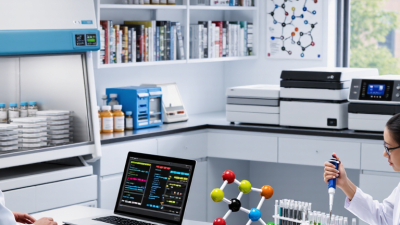
In 2026, a Biotech Conference can turn distant scientific trends into practical decisions. Researchers may examine AI-assisted drug discovery, spatial biology, cell therapies, and faster manufacturing systems. These topics are not merely displayed on bright screens. They appear in poster details, laboratory photographs, pilot-scale equipment, and careful questions about reproducibility. A conversation beside a coffee table may reveal a partnership opportunity before it reaches a formal announcement.
Nobel Prize-winning biochemist Jennifer Doudna has described science as “a team sport.” Her observation captures the strongest reason to attend. Biotech advances rarely come from one laboratory alone. Scientists, clinicians, engineers, investors, and regulatory specialists must compare evidence and challenge assumptions. At a Biotech Conference, a researcher can test a new hypothesis with an experienced audience. A startup can explain its platform more clearly. A hospital team can identify technology that fits real clinical workflows.
Still, attendance is not automatically valuable. Not every panel deserves your time. A polished presentation may hide limited validation, weak controls, or an unclear development path. That discomfort is useful. It encourages better questions about safety, scalability, cost, and patient benefit. Bring a focused schedule, but leave room for unexpected discussions. Take notes beside specific data, not just impressive promises. The best outcome may be a revised experiment, a trusted collaborator, or a decision to stop pursuing a weak idea. That is progress too.
What Is a Biotech Conference in 2026?
Why Attend a Biotech Conference in 2026?
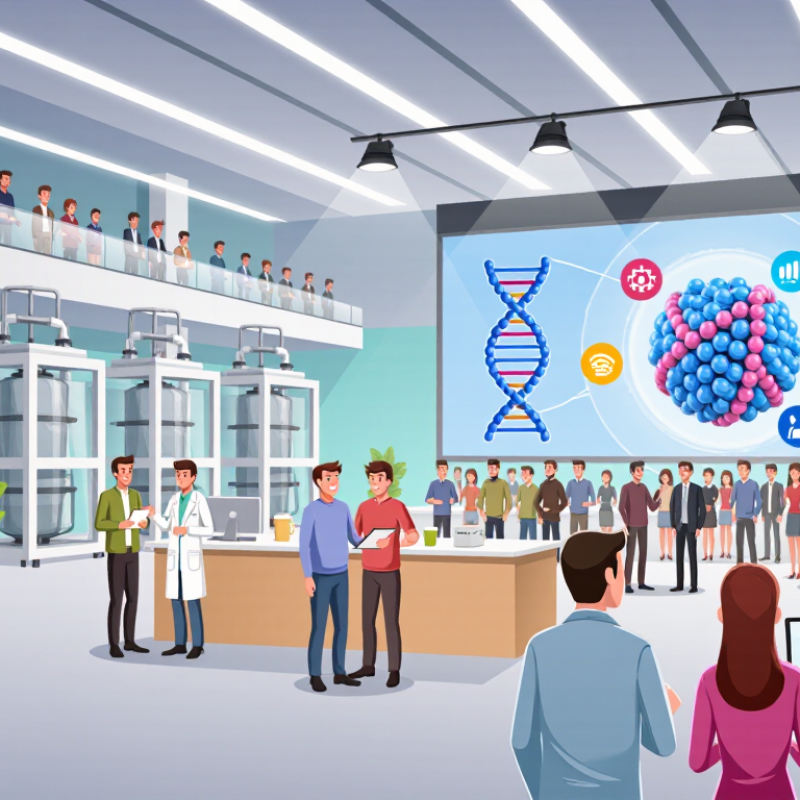
A biotech conference in 2026 is a professional meeting about biological science and its real-world applications. Researchers, clinicians, engineers, investors, and regulators gather to share evidence, methods, and practical challenges. The event may include keynote talks, technical workshops, poster sessions, laboratory demonstrations, and scheduled networking meetings.
In 2026, many conferences will examine artificial intelligence, precision medicine, cell biology, diagnostics, and sustainable biomanufacturing. Speakers may explain how machine learning supports research design or how laboratory automation improves repeatability. Regulatory experts can discuss clinical evidence, data governance, patient safety, and responsible development. These sessions help visitors separate promising results from attractive but incomplete claims.
A useful conference feels active, not theatrical. You might compare two assay methods beside a crowded poster board, then question a presenter about sample size. A short conversation may reveal a partnership opportunity or a serious technical limitation. Not every session will change your work. Some discussions may repeat familiar ideas. That is part of the experience.
Professional judgment matters. Strong participants check study design, funding disclosures, validation methods, and the limits of each conclusion. They take careful notes and avoid treating early findings as proven solutions. In my experience, the most valuable insight often appears during an honest question, not during a polished presentation. A missed session can still teach patience.
Which Emerging Biotech Trends Will Shape the Industry?
Why Attend a Biotech Conference in 2026?
In 2026, biotech conferences will be less about polished announcements and more about testing whether new ideas work. The strongest conversations will focus on AI-assisted drug discovery, multimodal biological data, and faster validation. Researchers are linking genomic, proteomic, imaging, and clinical records to identify patterns that one dataset misses. A practical example is a model that suggests a target, then ranks it against patient samples and toxicity signals. It saves time. Laboratory evidence still decides credibility.
Cell and gene therapies will remain influential, but manufacturing will receive greater attention. Conference workshops may compare closed-system processing, quality controls, and batch consistency instead of celebrating early results alone. Small process errors matter. Experts will also examine spatial biology, engineered tissues, and more sustainable production methods. Reducing water use, energy demand, and material waste could become a competitive advantage, not just an environmental goal.
Another important trend is stronger governance around biological data and automated research tools. Attendees will ask who verified the dataset, how bias was measured, and whether results can be reproduced across laboratories. These questions may sound less exciting, but they protect patients and investment. Clinical adoption will depend on clear evidence, practical costs, and transparent communication with healthcare professionals. The industry still overpromises at times. I may be wrong about the speed of change, yet conferences remain valuable places to challenge assumptions, inspect methods, and find collaborators who notice what a presentation leaves out.
How Can Attendees Build Knowledge and Professional Connections?
Why Attend a Biotech Conference in 2026?
A biotech conference can turn abstract knowledge into practical decisions. Attendees hear how researchers manage failed experiments, regulatory questions, and manufacturing delays. These details rarely appear in polished journal articles. The World Economic Forum’s Future of Jobs Report 2025 estimates that
39% of workers’ core skills may change by 2030.
Conferences offer a direct way to refresh technical and commercial knowledge.
The World Economic Forum’s Future of Jobs Report 2025 estimates that 39% of workers’ core skills may change by 2030.
Professional connections also grow through focused conversations. A short discussion after a panel may reveal a useful method, potential collaborator, or overlooked career path. Prepare
three specific questions
before arriving. Ask speakers about evidence, limitations, and real-world implementation. Exchange contact details only when the conversation has genuine value. Not every meeting will matter. That is normal, and it requires honest reflection.
Tips:
Choose sessions linked to your current projects.
Write one practical insight after each session.
Visit smaller discussion groups, where conversations often feel less formal.
Follow up within one week with a precise message and a shared research interest.
Check reported statistics against original studies, trial registries, or official regulatory sources. Data can sound impressive while remaining incomplete. A useful connection should improve understanding, not simply increase the contact list.
What Opportunities Do Biotech Conferences Offer for Collaboration?
Why Attend a Biotech Conference in 2026?
Biotech conferences offer practical routes to collaboration, not just crowded exhibition halls. IQVIA Institute’s Global Trends in R&D 2024 reported more than 20,000 medicines in active development. That scale creates pressure to share technologies, clinical expertise, and manufacturing capacity. At a conference, a small research team can meet potential partners within one afternoon. A brief discussion about assay validation may reveal a faster route to a joint study. Panels also expose gaps in regulatory planning and data quality. Those details matter when projects cross borders and disciplines.
The strongest opportunities usually begin with specific questions. Bring a one-page project summary, recent results, and clear partnership needs. Ask about timelines, ownership, validation standards, and decision-making authority. The 2024 EY Biotechnology Report described continued financing pressure across biotechnology, making efficient collaboration more important. Still, networking is not automatically productive. I have seen promising conversations fade because nobody defined the next action. That is an uncomfortable lesson.
Tips: Prepare three targeted questions. Schedule follow-up calls within seven days. Verify claims through peer-reviewed evidence and audited data. Use the conference floor to test assumptions, not merely collect contacts. A useful conversation should leave one measurable task, even if the answer is “not yet.”
How Should Professionals Choose and Prepare for a Conference?
Why Attend a Biotech Conference in 2026?
How Should Professionals Choose and Prepare for a Conference?
Choosing a biotech conference in 2026 should begin with a clear professional need. Are you seeking clinical updates, research partners, regulatory insight, or practical laboratory methods? Review the scientific program, speaker qualifications, session formats, and published agendas. A strong event should show evidence of peer-reviewed science, transparent policies, and relevant expertise. Do not choose by location alone. I once attended an impressive venue with limited value for my daily work. That mistake changed how I compare conferences.
Tips: Define two measurable goals before registering. Check the agenda for technical depth. Research speakers through institutional profiles and recent publications. Prepare a short introduction about your work. Carry questions, not only business cards. Keep notes on evidence, limitations, and possible follow-up actions.
Preparation should include a focused schedule and realistic expectations. Select only the sessions connected to your goals. Leave time for conversations, because useful insights often appear between presentations. Read key abstracts beforehand and note unfamiliar methods. During discussions, ask how results were validated, repeated, or limited. Reliable professionals welcome careful questions. They also admit uncertainty. Your own plan may change after one excellent conversation, and that is not a failure. Follow up within a week with a specific reference to the discussion. Record what you learned, what remains unclear, and which claims require independent verification.