
10 Essential Tips for Choosing the Right Bioscience Companies

Choosing the right bioscience companies can greatly influence the success of your projects. The bioscience sector is vast and complex. From pharmaceuticals to biotechnology, each company specializes in different areas. Understanding their strengths and weaknesses is crucial.

Many firms may seem promising at first glance. However, not all deliver quality results. You might find a company with impressive credentials, but it’s important to dig deeper. How do they handle collaboration? What is their track record in innovation? These questions can guide you in making informed decisions.

Additionally, look beyond the surface. Reliable communication and teamwork are essential. A company might boast great scientists, but if they don't work well with your team, the partnership will falter. Trust your instincts, but also seek feedback from peers. Making the right choice can save time, resources, and frustration down the line.

10 Essential Tips for Choosing the Right Bioscience Companies

Identifying Your Specific Bioscience Needs and Goals
10 Essential Tips for Choosing the Right Bioscience Companies

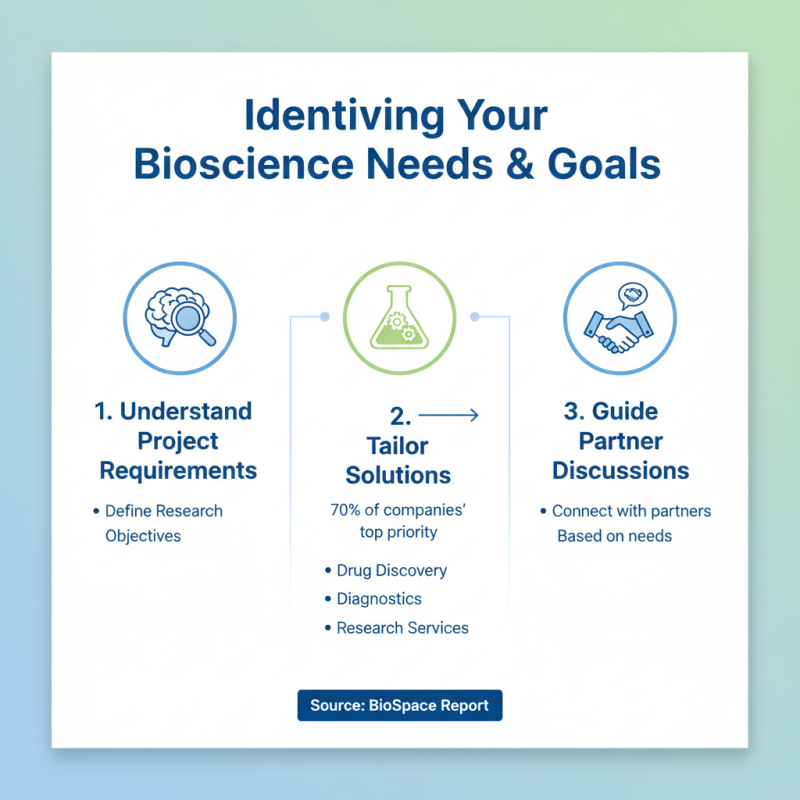
When identifying your specific bioscience needs and goals, it’s crucial to start with a clear understanding of your project requirements. According to a report by BioSpace, nearly 70% of bioscience companies cite tailored solutions as a top priority. This means you must articulate your unique research objectives. Are you looking for drug discovery, diagnostics, or perhaps research services? Understanding these aspects will guide your discussions with potential partners.

Another important factor is evaluating the company’s expertise. A study from the National Institute of Health highlights that 30% of bioscience projects fail due to inadequate skills in critical areas like analytics and bioengineering. Reflect on your own capabilities and determine the gaps. This introspection can help you find companies that fill those voids. Look for partners whose strengths complement your needs. Ensure they have a proven track record in similar projects. This approach minimizes risks and sets a solid foundation for collaboration. Consider these elements carefully. They may not guarantee success but can significantly influence the project outcome.

Researching Company Reputation and Track Record in the Industry

When selecting a bioscience company, researching its reputation is crucial. Check industry publications for recent articles about the company. Positive mentions can reflect a solid standing. Look for awards or recognitions from reputable organizations. These accolades can signal reliability and innovation. Sometimes, companies may appear well-regarded, but it's essential to dig deeper.

Engage with online forums and discussions. Hearing from the experiences of others can provide insights that aren’t available through formal channels. Ensure you read both positive and negative reviews. A mix of feedback gives a rounded view. Sometimes, companies may have had issues in the past, but they could have improved since then. Reflecting on this can be key.

When assessing a company’s track record, pay attention to their collaborations. Partnerships with respected institutions or research bodies can indicate credibility. However, be wary if the company lacks collaborations. That might raise some red flags. Understanding the impact of their past projects is equally important. Quality over quantity matters in these situations. Dive into the specifics: what innovations are they known for?

Evaluating Scientific Expertise and Research Capabilities

When selecting a bioscience company, evaluating their scientific expertise is crucial. This often boils down to assessing their team's qualifications and experience. Look for companies that have professionals with advanced degrees and varied backgrounds. A team that includes researchers, clinicians, and regulatory experts can offer a well-rounded perspective. Such diversity can enhance innovation and lead to groundbreaking discoveries.

Research capabilities matter too. Find out about the company’s facilities and technology. State-of-the-art labs can be a sign of high-quality research. Ask for examples of successful projects they have undertaken. It’s important to note the challenges they faced along the way. Every research project has its hurdles, but how a company navigates these can reveal their resilience and adaptability.

Engage with their published work. Peer-reviewed articles and patents can provide insight into their expertise. However, be mindful that not every publication is a hallmark of quality research. Sometimes, companies showcase projects that haven’t reached impactful conclusions. It’s essential to dig deeper and look for consistency in their output, as this can reflect their overall reliability and strategic vision.

Assessing Regulatory Compliance and Quality Control Standards

When choosing a bioscience company, assessing regulatory compliance is crucial. Companies must adhere to strict regulations to ensure safety and efficacy. Check for certifications and accreditations. Look into their history with audits. This reflects their commitment to quality.

Tip: Investigate their quality control protocols. Are they following established standards? Review their testing processes and data management. Each detail matters. A small oversight can lead to significant issues down the line.

Another tip is to communicate with their team. Ask how they handle compliance challenges. This gives insight into their problem-solving capabilities. You want a partner that can adapt. Their responsiveness can indicate their dedication to upholding high standards. Many firms claim to prioritize quality, but actions speak louder than words.

Considering Collaboration Potential and Communication Practices

When selecting a bioscience company for collaboration, communication practices play a crucial role. Clear, consistent communication fosters trust and aligns project goals. A recent industry report highlighted that companies with strong communication strategies increase project efficiency by 25%. This statistic emphasizes the importance of establishing open channels from the outset. Regular updates and feedback loops can prevent misunderstandings and keep the project on track.

Moreover, collaboration potential often hinges on cultural fit. Different companies may have varied approaches to problem-solving and decision-making. A mismatch can hinder progress. A study indicated that teams with high emotional intelligence in their communication registered a 30% higher success rate in collaborative projects. This underscores the need to assess the company’s communication style before entering a partnership.

Partnerships are not without their challenges. Sometimes, companies may struggle with transparency. Difficult conversations can arise if expectations are not aligned early on. Reflecting on past experiences can help avoid these pitfalls. A thoughtful approach to communication can lead to more fruitful collaborations in the bioscience sector.

10 Essential Tips for Choosing the Right Bioscience Companies - Considering Collaboration Potential and Communication Practices

Criteria Importance Level (1-10) Communication Practices Collaboration Potential
Research & Development Capabilities 9 Open and Transparent High
Regulatory Compliance 8 Regular Updates Medium
Financial Stability 10 Frequent Reports High
Innovation Track Record 9 Collaborative Projects High
Intellectual Property Portfolio 7 Patent Strategies Medium
Market Presence 8 Brand Awareness High
Expertise of Leadership 9 Expert Consultations Medium
Customer Support 8 Responsive Feedback High
Sustainability Practices 7 Environmental Reports Low
Collaboration with Academic Institutions 8 Research Partnerships High

Request for Quote

Please fill in as much details as possible and we will take care of your request as soon as possible

Skip to content