What Is Bio Technology and How Does It Work?

Bio Technology applies biology to practical problems in health, food, agriculture, and manufacturing. It can use whole organisms, such as bacteria, or biological parts, such as enzymes and DNA. A familiar example is insulin made with engineered microorganisms. In food production, yeast helps dough rise and microbes turn milk into yogurt. These examples differ in complexity, but each relies on biological activity.

How does it work? Researchers begin with a specific task, such as producing a useful protein or detecting a disease marker. They select a suitable cell or molecule, then guide or modify its activity. The system is tested under controlled conditions, often in a flask, a small fermenter, or a diagnostic device. Teams measure the result, check for unwanted effects, and refine the process. That matters. A promising lab result may behave differently at larger scale or in the human body. The word can sound more settled than the science is.

Understanding Bio Technology also means looking beyond the central technique. Reliable development involves careful testing, quality controls, and clear evidence about benefits and risks. Some methods are well established; others remain under study. Outcomes can depend on the organism, process, and setting. This guide explains the basic tools and steps, while noting where evidence is still developing. There are no simple answers for every application. That uncertainty deserves attention.
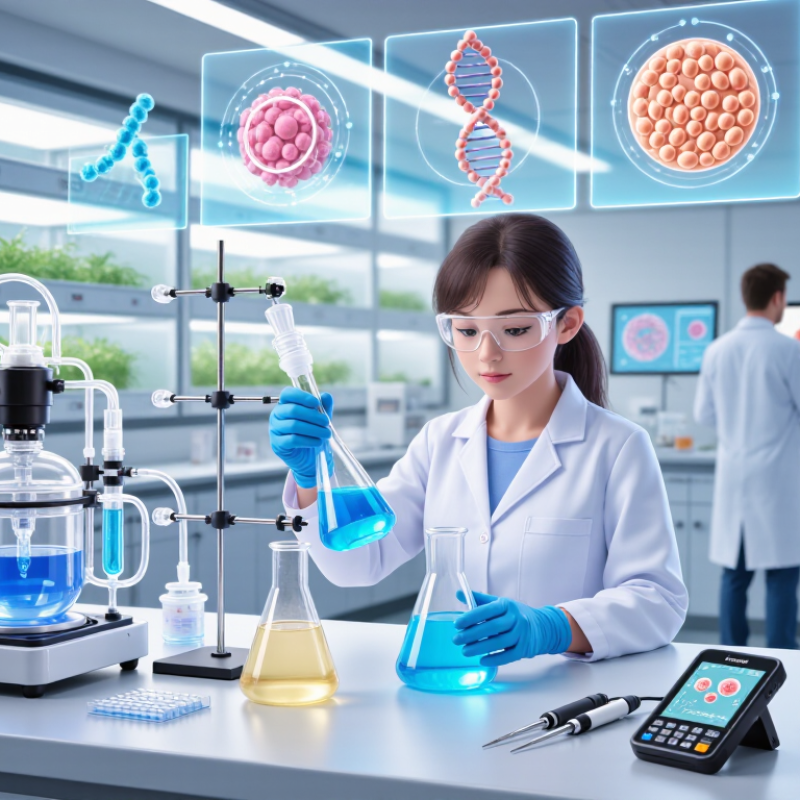
What Is Bio Technology and How Does It Work?

Defining Biotechnology and Its Core Principles

Biotechnology uses living systems, cells, or biological molecules to make products and solve practical problems. The OECD’s biotechnology statistics framework defines it broadly as applying science and technology to organisms, their parts, products, or models. In practice, work begins with a specific biological function. Yeast can ferment sugars; enzymes can split molecules. Small changes matter. Researchers observe, adjust, and test these systems under controlled conditions.

Three principles guide the field

biological variation, targeted intervention, and repeatable measurement. A team might compare cell growth in two nutrient mixtures, then measure yield, contamination, and stability. DNA sequencing can reveal genes or pathways involved, but a sequence alone cannot explain how a cell behaves.

NHGRI’s genome-sequencing cost data show a sharp decline, from about $100 million per human genome in 2001 to around $1,000 by 2015. Genomic analysis became more accessible, though interpretation remains difficult.

Biotechnology combines biology with engineering: identify a useful process, modify or select a system, then verify results through repeated tests. Scale changes the questions. A flask may behave differently from a large vessel because oxygen, heat, and mixing shift.

Not magic. The boundary is not always neat; living systems vary, and early results may not hold outside the lab. Clear records, controls, and independent review help distinguish a real effect from a convenient story.

How Living Systems Are Selected and Modified

Biotechnology begins with a practical question: which living system already has a useful trait, and how can that trait be made more reliable? A plant breeder may compare seedlings in dry soil. A laboratory team may grow microbes in small vessels and measure how quickly they produce a desired enzyme. The team selects promising candidates, tests them under controlled conditions, then checks whether the trait holds up in real environments. It is careful work. A strong result in one dish can disappoint in a field.

Selection uses existing variation; modification changes biological material more directly, through methods such as targeted gene editing or transferring genetic material. The right method depends on the organism, the trait, and the evidence needed. The International Service for the Acquisition of Agri-biotech Applications reported that biotech crops covered 190.4 million hectares across 29 countries in 2019. That scale shows how widely some modified crops are used, not that every modification works equally well.

Testing matters as much as the initial change. Researchers compare modified organisms with suitable controls, examine unintended changes, and assess performance across conditions. A National Academies review, Genetically Engineered Crops: Experiences and Prospects (2016), found no substantiated evidence that approved genetically engineered crops were less safe to eat than comparable conventional crops. Still, outcomes vary by crop and trait. Selection can favor what is easy to measure, while overlooking effects that emerge years later. That limitation deserves attention.

What Is Biotechnology and How Does It Work? — How Living Systems Are Selected and Modified

Biotechnology approach How selection or modification works Example Typical purpose Important consideration
Selective breeding Organisms with desired inherited traits are chosen as parents and bred over multiple generations. Breeding crop plants for larger seeds or animals for particular inherited traits. Improve traits such as yield, quality, or disease resistance. Changes are gradual, and several genes or traits may be inherited together.
Fermentation Microorganisms or cells convert nutrients into useful products as they grow or carry out metabolism under controlled conditions. Yeast produces carbon dioxide and ethanol during bread-making and brewing. Make foods, beverages, enzymes, and other biological products. Temperature, nutrients, oxygen, and contamination control can affect the result.
Plant tissue culture Small pieces of plant tissue are grown in sterile, nutrient-rich media; suitable cells can develop into whole plants. Producing many plants from selected tissue in a controlled laboratory setting. Rapid propagation and conservation of some plant varieties. Sterile conditions are required, and regenerated plants must be checked for consistency.
Recombinant DNA technology A chosen DNA sequence is joined with other DNA and introduced into a host cell so the cell can copy it or make its encoded product. Engineered microorganisms can produce human insulin for medical use. Produce proteins, study gene function, or introduce a specific genetic trait. The inserted sequence and resulting organism or product require appropriate testing and oversight.
Genome editing Molecular tools are directed to a selected DNA location to make a change; the cell’s repair processes then alter that sequence. Research laboratories edit genes in cells to investigate their roles in biological processes. Study gene function and develop potential applications in agriculture or medicine. Edits can have unintended effects; safety, ethics, and regulation depend on the application.
Cell culture and bioprocessing Cells are grown in controlled vessels with monitored conditions, then harvested or used to produce a desired biological material. Cultured mammalian cells are used to manufacture some therapeutic proteins and vaccines. Scale up the production of cells or cell-made products. Consistent growth conditions and quality checks are essential for reliable production.

Biotechnology applies biological knowledge and tools to living organisms, cells, or biological molecules. Depending on the method, it may select existing variation, grow cells under controlled conditions, or change genetic material.

The Tools and Steps Behind Biotechnological Processes

Biotechnology works by using cells, enzymes, or genetic material to make a useful product or answer a biological question. The process begins with a clear target, such as producing a protein or testing how cells respond to a treatment. Researchers then select a biological system and prepare samples with sterile pipettes, culture plates, or small bioreactors. PCR can amplify selected DNA; sequencing and computational tools help check what is present. Small changes matter.

Next, teams run controlled experiments, compare results with controls, and refine conditions such as temperature, nutrients, or acidity. A protein-making process may move from a flask to a larger bioreactor, then through filtration and chromatography to remove unwanted material. Quality tests check identity, purity, and activity. The FDA’s 2023 report counted 55 novel drug approvals, illustrating the range of products that must pass rigorous evaluation; that figure includes drugs beyond biotechnology. The steps can look tidy on paper. Real samples are not always tidy.

Scale-up brings new uncertainties: cells may behave differently in a large vessel, and a promising lab result may not hold in people. McKinsey Global Institute’s 2020 bio-revolution report estimated that more than 400 biological applications could create $2–4 trillion in direct annual economic impact by 2030. That is a projection, not a guarantee. It also says little about whether any single process will succeed. Good practice means recording methods, repeating measurements, and being candid about what remains unknown.

Typical PCR Thermal-Cycling Temperatures

PCR uses repeated temperature changes to amplify DNA. Denaturation is typically performed near 95°C, annealing temperature depends on the primers (60°C is shown here as an example), and DNA polymerase commonly extends strands at 72°C.

Where Biotechnology Is Used in Everyday Life

Biotechnology often appears in ordinary routines, even when the word itself feels technical. Yogurt and some cheeses rely on helpful bacteria that turn milk sugars into acids, changing flavor and texture. Bread dough rises because yeast releases carbon dioxide as it consumes sugars. Small changes in temperature or time can affect the result. Fermentation is not always perfectly predictable, which is part of what makes it interesting.

Medicine offers another everyday example. Some insulin medicines are produced with genetically modified microorganisms in carefully controlled facilities. That process helps make a consistent supply, though the finished medicine still needs strict testing. Enzymes are also used in many laundry detergents to help break down food or grass stains at lower wash temperatures. In farming, biotechnology can support crops with useful traits, but outcomes depend on the crop and growing conditions. Microbes also help treat wastewater by breaking down organic matter. It is easy to overlook them. Biotechnology is not a single machine or miracle; it is a collection of methods, and its benefits should be weighed alongside practical limits and careful oversight.

Assessing Its Benefits, Risks, and Ethical Questions

Biotechnology uses living cells, organisms, or biological molecules to make products and solve practical problems. In medicine, researchers may study how cells respond to a treatment before testing it carefully. In agriculture, biological methods can help crops withstand certain pests or environmental stresses. These approaches can reduce waste or improve health outcomes, but benefits depend on the specific method and setting. Results are not automatic.

Risks deserve equal attention. A treatment can cause unexpected side effects, and a change intended for one purpose may affect other parts of an ecosystem. Careful testing, monitoring, and transparent reporting help identify problems, though they cannot remove every uncertainty. Access matters, too: advanced therapies may remain expensive or unavailable to many people. That matters.

Ethical questions are often practical, not abstract. Who gives meaningful consent when genetic information is involved? Who controls samples, and how long are they stored? Communities should have a real voice when research could affect their health, food, or environment. Rules and safeguards vary, so claims about safety should be tied to evidence and ongoing review. I find it easy to praise innovation and harder to ask who bears the risks when it fails. That tension should stay visible.

Request for Quote

Please fill in as much details as possible and we will take care of your request as soon as possible

Skip to content