
Choosing the right Medical And Surgical Lighting solutions is critical. Effective lighting can improve surgical outcomes. It enhances visibility, reduces shadows, and allows precision. This decision involves various factors, such as brightness and color temperature.
When assessing medical and surgical lighting, consider the environment. Different procedures demand specific lighting characteristics. LED options often provide energy efficiency and longevity. However, they may not suit every setting. It's essential to balance performance and cost.
Experts recommend testing solutions in your facility. Understanding how lighting interacts with surgical equipment is vital. Seek feedback from surgical teams. Their insights can reveal practical challenges. This approach can lead to informed choices that enhance surgical success.
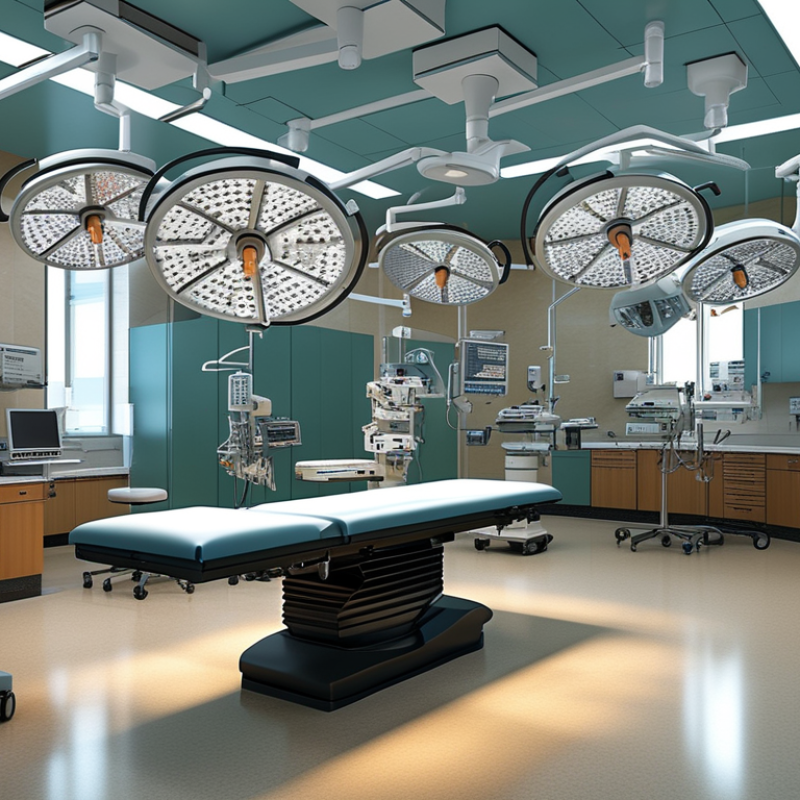
Quality lighting in medical environments plays a crucial role in patient care. Proper illumination is essential for accurate diagnosis and effective surgical procedures. The right lighting helps reduce shadows and enhances visibility. This enables medical professionals to perform intricate tasks with confidence.
In surgical rooms, lighting solutions must be adaptable. Surgeons often need bright, focused light that can highlight various tissues. Adjustable color temperatures can also assist in visual accuracy. However, not all lighting systems meet these standards, which underscores the importance of rigorous selection. Poor lighting can lead to mistakes and compromise patient safety.
Moreover, ambient lighting is vital in examination rooms. It sets the mood for patient interaction and affects emotional responses. A harsh, uninviting light can add to a patient's anxiety. Thus, understanding lighting types and their impact on wellbeing is crucial for healthcare facilities. Thoughtful investment in lighting can greatly improve the overall environment for both patients and practitioners.
When choosing medical and surgical lighting solutions, certain key features deserve attention. Brightness is essential. A well-lit surgical space can improve visibility and enhance precision. According to a study by the American College of Surgeons, proper lighting can reduce surgical errors by over 25%. This statistic highlights the necessity of adequate illumination during procedures.
Color rendering is another aspect to consider. High Color Rendering Index (CRI) lights provide more accurate color representation. This is crucial for identifying tissue types and spotting anomalies during surgery. Reports indicate that lights with a CRI of 90 or above are optimal. Inadequate color representation can lead to misinterpretations, resulting in delayed diagnoses or treatment complications.
Flexibility in lighting placement is vital as well. Surgical environments often require varied lighting angles. Adjustable and movable lighting solutions can be beneficial in tailoring light distribution.
A survey revealed that 70% of healthcare professionals favor adjustable lights for enhancing workflow. Neglecting the adaptability of lighting can restrict efficiency and compromise outcomes during critical procedures.
When evaluating different types of medical lighting options, consider the specific needs of your practice. Surgical lighting must offer brightness and clarity. High-intensity lights can illuminate deep cavities during procedures. Look for lights featuring adjustable intensity. This flexibility allows surgeons to customize illumination based on the procedure.
The color temperature of surgical lights is also critical. Warmer light promotes a calming environment. It can improve staff comfort during long procedures. Cooler temperatures enhance detail and contrast. Evaluate if your team prefers one over the other. Test different lights to see which combination provides the best visibility.
In examining medical lighting, consider installation options. Ceiling-mounted lights save floor space. However, portable lights can be moved as needed. Reflect on how often your space may require reconfiguration. Weight and size of units matter as well. They influence where and how to deploy them effectively. Evaluate cost against the expected lifespan and reliability, as maintenance can add up over time.
When assessing energy efficiency in medical and surgical lighting, it’s crucial to consider the type of lighting technology used. LED lights are increasingly favored for their durability and longer lifespan. Studies show that LED systems can last up to 50,000 hours, significantly reducing replacement costs and maintenance efforts. Energy-efficient lighting can impact operational budgets positively. Reports indicate that facilities can save up to 60% in energy costs when switching to LED solutions compared to traditional options.
Cost-effectiveness doesn’t solely hinge on the upfront purchase price. It also involves evaluating the total cost of ownership. A study from the American Society for Healthcare Engineering highlights that while energy-efficient fixtures may have a higher initial cost, they offer substantial savings over time. This encompasses reduced energy bills and lower maintenance costs. Design choices also play a crucial role. Poorly planned lighting can lead to higher energy use and operational hazards.
In addition, institutions must consider the environmental impact. Energy-efficient lighting reduces carbon footprints, contributing to sustainability goals. A commitment to greener practices can enhance a facility's reputation. However, it’s essential to regularly review the effectiveness of chosen solutions. Outdated or inadequate systems can lead to inefficiencies. Quality assessments and regular upgrades are necessary to maintain optimal performance and costs.
Choosing the right medical and surgical lighting solutions is crucial for ensuring the safety and efficiency of healthcare procedures. Compliance with safety and regulatory standards is essential. The FDA sets strict guidelines for the design and manufacturing of medical lighting. This ensures that products contribute to patient safety. Lighting must meet specific lumen output and color rendering index (CRI) requirements. Statistics reveal that improper lighting can lead to surgical errors. For instance, inadequate illumination is linked to a 20% increase in surgical complications.
Consideration of ISO standards is equally important. ISO 13485, which focuses on quality management for medical devices, outlines the necessary processes for maintaining compliance. Facilities must audit their lighting regularly. This includes checking for proper functioning and adherence to standards. According to a recent report, 30% of health facilities fail compliance audits related to lighting. This raises critical questions about their operational protocols.
Continuous training of staff on safety standards is vital. Employees should know how to report issues with lighting promptly. They play a key role in maintaining compliance and operational safety. Facilities need to invest in training programs to ensure staff is well-versed in these standards. Ignoring these aspects can have serious consequences, not only for patient safety but also for the healthcare facility's reputation.
Please fill in as much details as possible and we will take care of your request as soon as possible