
The evolution of the automotive industry heavily relies on electrical manufacturing. This critical sector plays a significant role in transportation. As vehicles become smarter, the demand for reliable electrical systems increases. From electric motors to advanced battery technologies, the importance of electrical components cannot be overstated.
Electrical manufacturing supports automotive innovation. Companies focus on developing durable and efficient parts. These components are essential for the performance and safety of modern vehicles. However, challenges exist, such as the need for sustainability and cost efficiency. Manufacturers must balance quality and affordability.
The relationship between electrical manufacturing and automotive transportation is complex. The integration of electric systems enhances vehicle functionality and consumer experience. Yet, the industry faces the pressure of rapid technological changes. Continuous improvement is necessary to meet growing demands. A reflection on the industry's current trajectory reveals both accomplishments and areas for development.
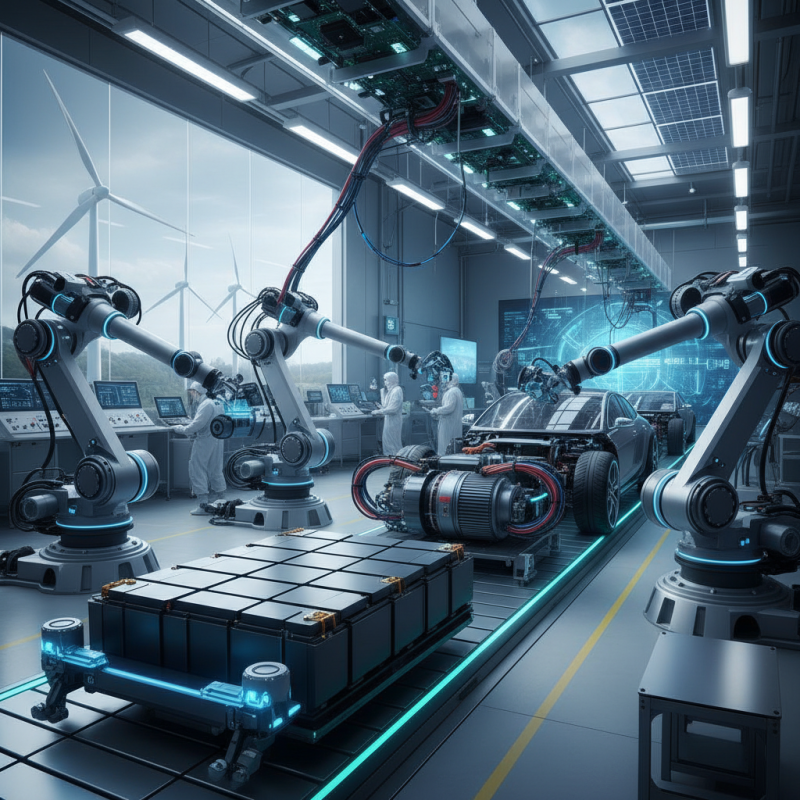
The automotive industry is undergoing rapid transformation. Electrical manufacturing plays a key role in this innovation. According to a report by the International Energy Agency, electric vehicles (EVs) are projected to make up 30% of global vehicle sales by 2030. This shift underscores the importance of efficient electrical components, including batteries, power electronics, and electric motors.
Innovation is fueled by advancements in electrical manufacturing. For instance, new battery technologies are making EVs more sustainable. This has been linked to a 20% increase in energy density, allowing vehicles to go further on a single charge. However, challenges remain. Manufacturing processes must adapt to increasing demands for efficiency and lower costs. Many manufacturers still struggle with production scalability. The potential for defects in complex electrical systems can lead to costly recalls and safety issues, reflecting the need for stringent quality control.
As the industry evolves, so does the necessity for specialized skills in electrical manufacturing. A notable gap exists between demand and workforce capabilities. Several estimates suggest that the sector may see a shortage of 250,000 skilled laborers by 2025. Bridging this gap is essential to support ongoing automotive innovation. Investing in workforce training programs could enhance productivity and drive sustainable advancements in the industry.
The automotive industry is increasingly reliant on electrical systems. These systems are fundamental for vehicle operation and safety. Key components such as batteries, wiring harnesses, and sensors play integral roles.
Batteries provide the energy needed for starting engines and powering electrical systems. Advanced battery technologies improve efficiency and reliability. Wiring harnesses connect various electrical components, enabling smooth communication between systems. They must be designed to withstand harsh conditions to prevent failures.
Sensors monitor essential functions, such as engine performance and safety features. They gather data to enhance the driving experience. Integrating high-quality sensors can mitigate potential errors and increase vehicle safety.
Tips: Ensure regular maintenance of your vehicle’s electrical system. This can prevent unexpected breakdowns. Consider upgrading to advanced battery technology to enhance efficiency. Always use certified components for repairs or upgrades to ensure reliability.
The rise of electric vehicles (EVs) is reshaping electrical manufacturing. Industry reports suggest that global EV sales rose by 109% in 2021, underscoring a growing reliance on electrical components. As demand increases, manufacturers must adapt to new challenges. EV models typically require advanced batteries, which drive up electrical component needs.
Working with high voltage systems introduces complexity. Manufacturers must ensure quality and safety standards are met. According to McKinsey, the automotive sector will see a 20% increase in electrical content in vehicles by 2030. This shift demands a workforce skilled in electrical engineering and manufacturing processes.
**Tip:** Invest in training programs for engineers. Continuous education helps them adapt to evolving technologies.
However, rapid production scaling can lead to quality control issues. Overlooking these aspects may result in recalls and financial losses. Companies should not just focus on quantity but also on maintaining rigorous quality checks.
**Tip:** Implementing a feedback loop from quality assessments can significantly improve processes.
Increased electrical manufacturing demands will likely benefit overall industry growth. Yet, it also raises questions about sustainability and resource management. Manufacturers must consider these factors while scaling operations.
In automotive electrical manufacturing, quality and safety standards are vital. They ensure that every component functions correctly and reliably. For instance, wiring harnesses must be durable to avoid short circuits. Such failures can lead to accidents. Thus, manufacturers apply rigorous testing methods to uphold these standards.
Manufacturers often face challenges in meeting safety standards. The evolving technology demands constant adaptation. New materials can offer advantages but might not meet existing regulations. This can lead to delays and increased costs. Manufacturers must balance innovation with compliance, which can be a complex process.
Quality assurance involves multiple stages. Inspections occur at various points during production. Even small defects can compromise performance. Therefore, thorough documentation and traceability systems are essential. They help identify issues swiftly. Ultimately, the goal is to create a safe and reliable vehicle, making rigorous electrical manufacturing practices non-negotiable.
| Aspect | Importance | Standards | Inspection Frequency | Consequences of Non-Compliance |
|---|---|---|---|---|
| Electrical Components | Critical for vehicle functionality | ISO 9001 | Per batch | Vehicle malfunctions or failures |
| Safety Features | Ensures passenger safety | ISO 26262 | Quarterly | Legal liabilities and accidents |
| Regulatory Compliance | Avoids legal penalties | FMVSS | Annually | Fines and recalls |
| Material Quality | Impact on performance | ASTM standards | Before production | Product failure or inefficiency |
| Testing Procedures | Verifies reliability | IEC 61000 | Per product cycle | Increased risk of defects |
The automotive industry is evolving rapidly, largely influenced by advancements in electrical manufacturing. As electric vehicles (EVs) gain popularity, the need for reliable and efficient electrical components becomes more critical. This shift towards electrification transforms how manufacturers approach design and production. Customization has become vital, as vehicles now require specialized electrical systems for enhanced performance and safety.
Emerging trends indicate a growing focus on sustainable manufacturing practices. Reduced carbon footprints and eco-friendly materials are now priorities for many in the industry. Companies are exploring innovative approaches, such as additive manufacturing, which can improve efficiency while lowering waste. However, the transition to greener methods poses challenges, requiring significant investment in research and development.
The rise of smart technology in vehicles also demands new electrical solutions. Automation, artificial intelligence, and advanced driver-assistance systems reshape how electrical components integrate with traditional automotive systems. Not all manufacturers have adapted to these changes seamlessly. Some face hurdles associated with skill gaps in the workforce. The journey towards full integration of these technologies may require ongoing training and a shift in industry culture. These elements represent the dynamic landscape of electrical manufacturing in the automotive sector.
Please fill in as much details as possible and we will take care of your request as soon as possible