Why Choose a Femoral Inserter for Your Surgical Needs?
In the realm of orthopedic surgery, precision is paramount. The Femoral Inserter has emerged as a critical tool in this landscape. According to recent studies, over 75% of orthopedic surgeons report improved surgical outcomes when using this device. Accurate insertion of femoral components can significantly reduce recovery time for patients.
The technology behind the Femoral Inserter enhances stability and alignment during procedures. A survey indicated that nearly 80% of surgeons prefer it for total knee arthroplasties. However, it is essential to acknowledge the learning curve associated with mastering its use. Not all outcomes are perfect, and clinicians must continually adapt their techniques.
Investing in a Femoral Inserter not only reflects a commitment to patient care but also showcases a dedication to advancing surgical practices. While it offers clear advantages, ongoing education and hands-on experience are necessary for optimal results. As the healthcare industry evolves, the need for reliable, efficient surgical tools like the Femoral Inserter remains more critical than ever.
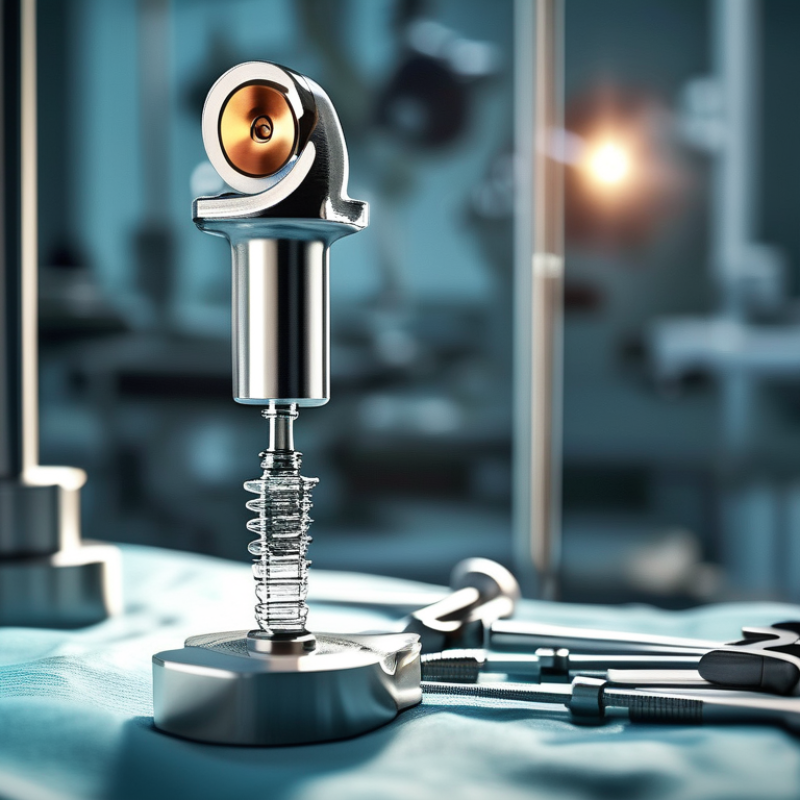
Benefits of Using a Femoral Inserter in Surgical Procedures
Using a femoral inserter during surgical procedures offers numerous advantages. One major benefit is precision. Surgeons can achieve optimal placement of implants, greatly enhancing outcomes. This tool allows for steady control, which is crucial in delicate operations. By minimizing movement, it reduces the risk of complications.
Another important aspect is ergonomics. The design of femoral inserters promotes comfort for the surgeon. This can lead to less fatigue during lengthy surgeries. A well-rested surgeon is more likely to maintain focus and avoid errors. Additionally, the intuitive design can facilitate faster learning for new practitioners. This encourages skill development and builds confidence in surgical settings.
Nevertheless, it's essential to acknowledge that not all situations may benefit from using a femoral inserter. Some surgeons may find traditional methods more intuitive based on their experience. Balancing familiarity with new tools often requires reflective practice. It's vital to evaluate both the benefits and limitations of the femoral inserter in various surgical contexts. Each procedure can present unique challenges, demanding tailored approaches for the best patient outcomes.
Key Features of a Femoral Inserter for Optimal Performance
A femoral inserter is an essential tool in orthopaedic surgery. Surgeons rely on its precision for accurate implant placement. One key feature is its ergonomic design. This design enhances grip and control during procedures. It allows surgeons to operate with minimal fatigue, especially in lengthy surgeries.
Another vital aspect is the inserter's adaptability. Many models can accommodate different implant sizes. This flexibility is crucial for tailoring the procedure to individual patient needs. Additionally, some inserters incorporate advanced locking mechanisms. These features provide stability during insertion, reducing the risk of errors.
Nevertheless, there are challenges. Not all inserters are intuitive to use. Some may require extensive training, which can hinder their effectiveness in a fast-paced or emergency setting. Certain inserters might not fit well in every surgical tray. This discrepancy can lead to delays. Recognizing these imperfections is essential for continuous improvement in surgical practices.
Comparison of Femoral Inserters: Types and Their Applications
When selecting a femoral inserter, understanding the different types and their applications is crucial. There are several designs available, each serving specific surgical needs. Some inserters are manual, allowing surgeons to control the depth and alignment effectively. Others are more automated, which can improve efficiency during surgery.
Manual inserters often provide tactile feedback, essential for complex procedures. They require a steady hand and good experience from the surgeon. Automated models might reduce hands-on time but rely on technology that can sometimes be unpredictable. Choosing between them can be challenging and merits thoughtful consideration of the specific surgical context.
Additionally, varying designs accommodate different patient anatomies. It’s vital to assess the suitability of each inserter type for unique patient needs. This reflection can influence not only the outcomes but also the surgeon's confidence during the procedure. The choice can often feel overwhelming, but a thorough understanding of each option’s strengths and limitations can guide the decision effectively.
Best Practices for Using a Femoral Inserter Effectively
Using a femoral inserter effectively can enhance surgical outcomes. These devices help position implants accurately, which is crucial for joint replacements. Proper technique is vital to ensure precision. Surgeons should focus on maintaining a stable hand while guiding the inserter. Inconsistent grip can lead to misalignment.
It's also important to assess the patient's anatomy before use. Each individual's structure is different, and the inserter must adapt to these variations. Sometimes, adjustments are necessary. Surgeons should practice with models to better understand how to navigate challenging cases. Familiarity with the instruments builds confidence.
Monitoring the inserter's depth and angle is essential. Poor depth can lead to complications. Regular communication with the surgical team can help identify issues early. Learning through reflection after each procedure fosters growth. Mistakes can be valuable lessons in the long run. A commitment to continuous improvement is key.
Why Choose a Femoral Inserter for Your Surgical Needs? - Best Practices for Using a Femoral Inserter Effectively
| Aspect | Details | Best Practices |
| Accuracy | Enhances precision in implant placement. | Ensure proper alignment with anatomical landmarks. |
| Ease of Use | Designed for user-friendly operation during surgery. | Practice with the inserter pre-operatively. |
| Material Quality | Manufactured from high-quality biocompatible materials. | Inspect for wear and tear before each use. |
| Versatility | Suitable for various femoral implant types. | Familiarize with different implant compatibility. |
| Ergonomics | Designed to reduce fatigue during lengthy procedures. | Adjust grip to suit individual comfort level. |
How to Choose the Right Femoral Inserter for Specific Surgeries
Choosing the right femoral inserter is crucial for successful surgical outcomes. Different surgeries have unique requirements that can affect the performance of the inserter. For instance, a study published in the Journal of Orthopedic Research indicates that optimized inserters can improve implant positioning accuracy by up to 30%. This level of precision is essential in complex procedures such as total knee arthroplasties, where even minor misalignments can lead to post-operative complications.
When selecting a femoral inserter, consider the specific surgical procedure and patient anatomy. Some inserters are designed for minimally invasive surgeries, while others accommodate extensive exposure needs. Research shows that surgical teams using specialized inserters report a 20% reduction in operative times. However, selecting the wrong tool can lead to inefficiencies and increased stress during surgery. Take the time to assess the surgical context and individual patient factors.
Reflecting on past experiences with inserters can also highlight areas for improvement. Surgeons often review surgical outcomes and feedback to refine their choices. Understanding both successful outcomes and complications informs better decision-making. It is vital to stay updated on advancements in femoral inserter technologies and ergonomic designs. This knowledge can enhance surgical proficiency and patient satisfaction in the long run.
Usage of Femoral Inserters in Various Surgeries
This bar chart illustrates the utilization of femoral inserters across different surgical procedures. It highlights the number of times femoral inserters are employed in knee surgery, hip replacements, orthopedic trauma cases, ACL reconstructions, and total joint replacements, showcasing their significance in modern surgical practices.