Why Are Biotech Companies Essential for Global Supply Chains?
Biotech Companies play a crucial role in global supply chains, influencing various industries. In 2021, the biotech sector reached a market value of approximately $750 billion. The demand for biotechnological innovations has soared, driven by public health crises and the need for sustainable solutions. According to a recent report by Grand View Research, the global biotechnology market is expected to grow at a compound annual growth rate (CAGR) of over 7% through 2028.
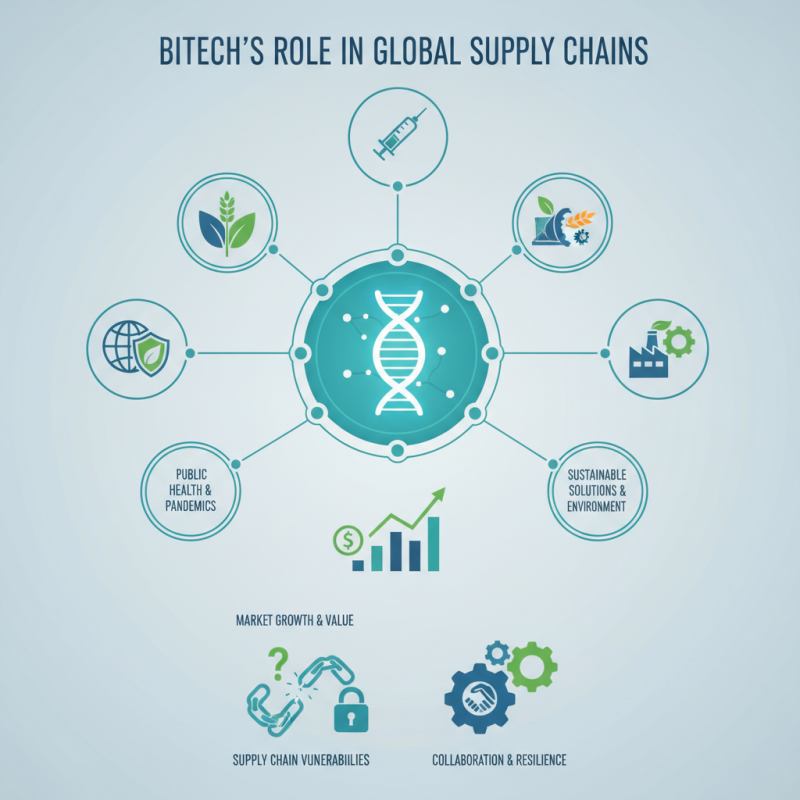
These companies provide essential products, such as vaccines, enzymes, and biofuels. Their contributions help in addressing food security, environmental challenges, and healthcare needs. For instance, mRNA vaccine technology has transformed pandemic responses. Yet, the reliance on Biotech Companies prompts reflections on supply chain vulnerabilities. Disruptions during crises can highlight weaknesses in availability and distribution channels.
In an ever-evolving landscape, the collaboration among Biotech Companies, governments, and other industries is vital. Coordination ensures a resilient approach to address global challenges. As we advance, recognizing the intricate dependencies formed through these companies will be critical to enhancing supply chain efficiency and sustainability.
The Role of Biotech Companies in Enhancing Global Supply Chain Resilience
Biotech companies play a crucial role in enhancing global supply chain resilience. According to a report by the Biopharmaceutical Supply Chain Coalition, disruptions can lead to significant financial losses, estimating that 50% of companies face supply chain interruptions annually. These companies help mitigate risks through innovation and flexibility. They adapt rapidly to changing demands, especially during crises like pandemics. Their agile response is essential for maintaining the flow of biologics and crucial materials.
Data from the International Biotechnology Federation shows that the global biotech market is expected to reach $727.1 billion by 2025. This growth underscores the increasing reliance on biotech for pharmaceuticals, food safety, and environmental solutions. However, challenges remain. Many biotech firms struggle with regulatory hurdles and the complexity of production processes. Despite these challenges, the industry's ability to ensure quality and consistency is vital. Enhanced collaboration between biotech companies and supply chain partners can further strengthen resilience against future disruptions.
Biotech Companies and Their Impact on Global Supply Chain Resilience
This chart illustrates the impact of biotech companies on various stages of the global supply chain. The stages include Raw Materials, Research & Development, Manufacturing, Distribution, and Regulatory Compliance, with an impact rating ranging from 1 to 10 based on their essential contributions to enhancing resilience within the supply chain.
Key Innovations in Biotech that Support Global Drug Distribution Networks
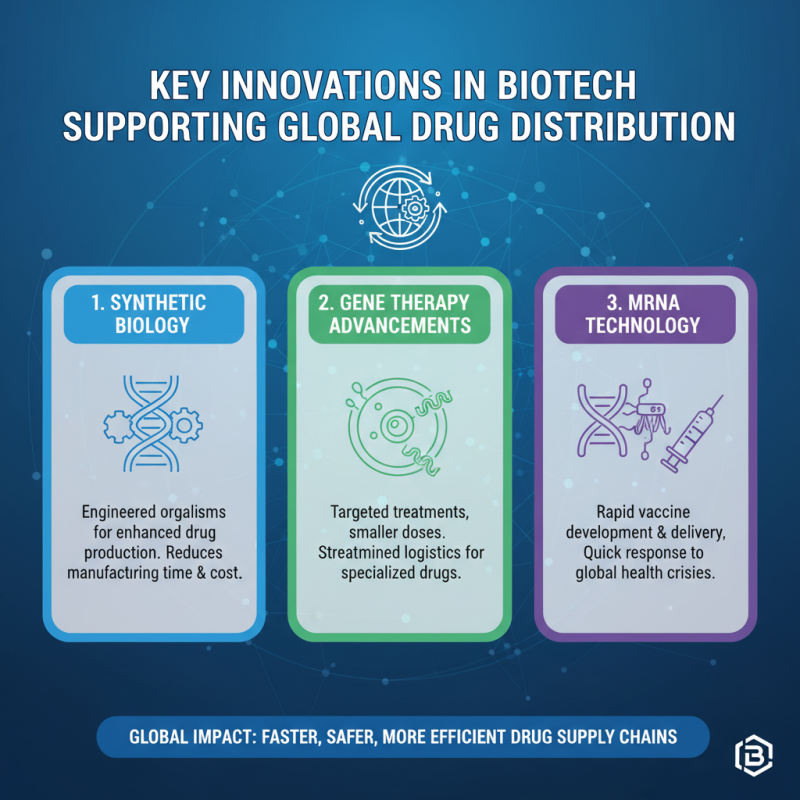
Biotech companies play a vital role in global supply chains, especially in drug distribution networks. They innovate in areas like synthetic biology and gene therapy. These advancements increase the efficiency of drug production and distribution. For instance, mRNA technology has transformed vaccine development and delivery. It enables rapid response to emerging health threats.
Tips: Collaborating with biotech firms can enhance supply chain resilience. This offers flexibility in production changes. Regular training for supply chain teams on new biotech innovations can promote agility. Knowledge of the latest trends can foster better decision-making.
Even with the remarkable progress, challenges persist. Supply chain disruptions can still occur, owing to factors like regulatory hurdles. Countries may have different compliance standards, complicating distribution. It's essential for biotech companies to navigate these complexities effectively. Engaging with global partners can help address these issues and improve system robustness.
Impact of Biotech on Food Security and Agricultural Supply Chains
Biotech companies play a vital role in enhancing food security and optimizing agricultural supply chains. According to a report by the Food and Agriculture Organization, the world population is projected to reach 9.7 billion by 2050. This escalating number demands a 70% increase in food production. Biotech innovations, such as genetically modified organisms, offer promising solutions to meet these demands.
For instance, biotech can significantly improve crop yields, with studies showing increases by up to 30%. This not only ensures more food but also helps farmers cope with climate challenges. In some regions, drought-resistant varieties have been developed, allowing crops to thrive where conventional strains fail. However, the adoption of these technologies remains low in developing countries, raising questions about accessibility and education.
Moreover, sustainability is a double-edged sword. While biotech can reduce the need for chemical fertilizers and pesticides, concerns about biodiversity impact and ethical considerations linger. Critics argue that reliance on biotech may undermine traditional farming practices. Balancing innovation with ecological integrity is crucial. Ongoing dialogue and research are necessary to address these complex issues, ensuring that biotech continues to support global supply chains effectively.
Data on Biotech's Contribution to Pandemic Preparedness and Response
Biotechnology plays a pivotal role in global pandemic preparedness and response. According to a report by the Global Health Security Index, countries with strong biotech industries scored higher in pandemic response capabilities. For instance, the development time for vaccines has reduced dramatically due to advances in biotech, decreasing from 10 years to just under a year for COVID-19 vaccines.
Data shows that biotech companies have contributed significantly to the rapid production of testing kits and treatments during the pandemic. The Biotechnology Innovation Organization emphasized that around 900 vaccine candidates were in development globally, showcasing the industry's agility. However, challenges persist. Access to technology and equitable distribution of biotech solutions remain critical issues. Global disparities indicate that not all regions can leverage these innovations equally, impacting overall preparedness levels.
Efforts to enhance global health security rely heavily on continuous investment in biotech. The World Health Organization estimated a need for $10 billion annually to strengthen biotech infrastructure worldwide. This highlight urges reflection on how funding and research priorities can be optimized to address inequities in health responses. Addressing these gaps can lead to a more resilient global health landscape.
The Economic Value of Biotech in Global Trade and Supply Chain Efficiency
Biotech companies significantly enhance global trade and supply chain efficiency. According to a report by the McKinsey Global Institute, the biotech sector contributes around $1.3 trillion to the global economy. This indicates its importance in improving productivity and fostering innovation. Biotech innovations streamline supply chains, especially in sectors like agriculture and pharmaceuticals. These advancements reduce costs and enhance product availability.
One pivotal aspect is the role of biotechnology in agriculture. By developing genetically modified crops, biotech companies increase yield and resilience. For instance, the use of biotech crops can boost productivity by up to 30%. This is crucial in meeting the food demands of a growing population. Moreover, the rapid development of vaccines during health crises exemplifies biotech’s agility in responding to global needs.
Tip: Businesses should consider partnering with biotech firms to leverage innovative solutions. Investing in biotechnology research can lead to more sustainable practices. Additionally, monitoring biotech trends helps adapt to shifts in supply chain dynamics.