2026 Best Heparin Tubes for Blood Collection?

Choosing the best Heparin Tubes for blood collection in 2026 requires more than comparing prices or colorful labels. Tube performance can influence plasma quality, turnaround time, and downstream test accuracy. A reliable choice should match the laboratory’s test menu, analyzer requirements, sample volume, and collection workflow.

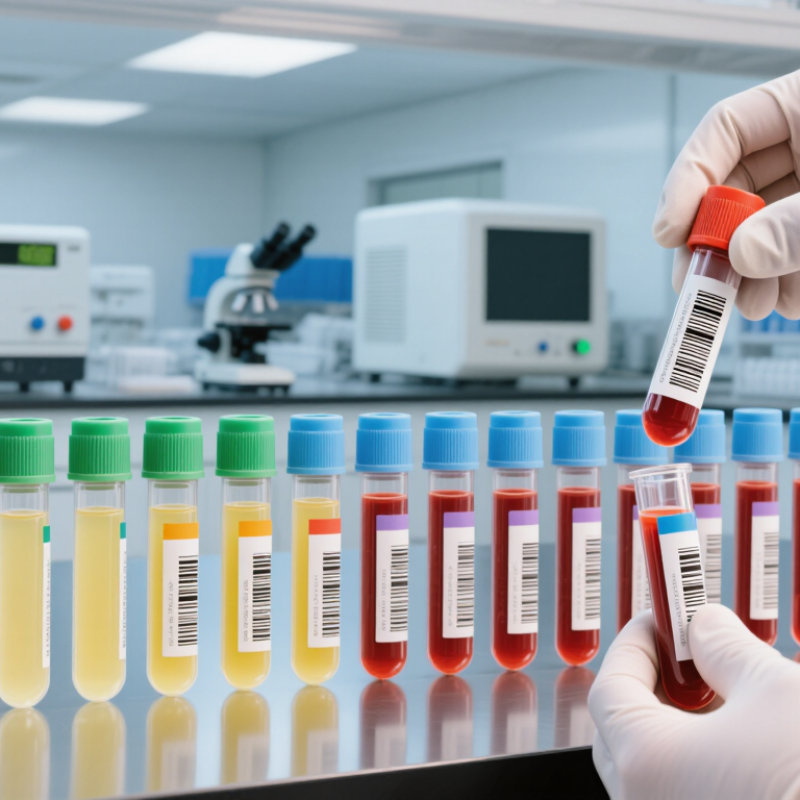
This guide examines lithium heparin and sodium heparin options, including tube materials, additive consistency, fill volume, separator gel, and clot-free plasma recovery. It also considers practical details, such as barcode readability, cap security, storage conditions, and how easily staff can identify tubes under bright laboratory lighting. Small details matter.

Experienced phlebotomy teams know that collection technique affects results as much as tube design. Correct order of draw, gentle inversion, timely mixing, and proper transport remain essential. Manufacturer instructions and current laboratory standards should always guide final decisions. No single tube is ideal for every department, patient group, or testing platform.

Some comparisons may appear straightforward, but real-world performance can vary between batches and facilities. Even experienced professionals may overlook temperature exposure or underfilled specimens. That deserves attention. This review therefore focuses on evidence, documented specifications, user experience, and realistic laboratory needs. It does not promise a perfect ranking. Instead, it helps laboratories ask better questions before selecting Heparin Tubes for routine chemistry, urgent testing, and specialized plasma applications in 2026.
2026 Best Heparin Tubes for Blood Collection?

Heparin Blood Collection Tubes: Purpose, Types, and Applications

Heparin Blood Collection Tubes: Purpose, Types, and Applications

Heparin tubes help produce plasma by stopping blood from clotting after collection. Heparin activates antithrombin, which reduces thrombin activity and fibrin formation. This makes the sample useful when laboratories need rapid plasma testing. Common applications include clinical chemistry, electrolyte measurement, urgent-care panels, and selected blood gas procedures. Results still depend on correct collection.

Several heparin tube types serve different needs. Lithium heparin is widely used for routine plasma chemistry, while sodium heparin may influence sodium measurements. Ammonium heparin is less common and requires laboratory approval. Gel separator tubes contain a barrier that supports cleaner plasma separation after centrifugation. Balanced heparin products are designed for blood gas analysis, where small anticoagulant differences can affect results.

Handling matters as much as tube selection. Gently invert the tube according to the laboratory’s instructions; shaking can damage cells and alter potassium results. Fill the tube properly, especially when testing requires a controlled blood-to-additive ratio. Do not use heparin tubes for standard coagulation studies unless the procedure specifically allows them. Some immunoassays and trace-element tests may also require another tube type.

The practical choice is rarely perfect. A convenient tube can still create interference. I would check the test menu, additive concentration, specimen volume, storage time, and local validation records before changing collection supplies. One overlooked detail can become a misleading result.

How to Choose the Right Heparin Tube for Different Blood Tests

2026 Best Heparin Tubes for Blood Collection?

Choosing the right heparin tube starts with the test, not the tube color. Lithium heparin tubes are commonly used for plasma chemistry, electrolytes, enzymes, and urgent testing. Sodium heparin may suit selected blood bank or specialized chemistry procedures. Blood gas analysis needs a dry, balanced heparin syringe or tube. Liquid heparin can dilute the specimen and alter results. Never use heparin tubes for routine coagulation or complete blood counts. Those tests usually require different additives.

Preanalytical errors remain a serious concern. Plebani’s review in Clinical Chemistry and Laboratory Medicine reported that this phase contributes about 46–68% of laboratory errors. Poor mixing, underfilling, delayed centrifugation, and difficult venipuncture can all damage accuracy. Small detail. Big impact. CLSI GP41 recommends gentle inversion immediately after collection, following the tube manufacturer’s validated cycle. In practice, staff may remember the color but forget the additive. That habit deserves review.

Tips: Confirm the requested test before collection. Check whether plasma, whole blood, or blood gas is required. Use the correct heparin concentration and fill volume. Mix gently; do not shake. Inspect for clots, visible hemolysis, and unusual discoloration before transport. If a result conflicts with the patient’s condition, recollection may be wiser than defending a questionable specimen.

2026 Best Heparin Tubes for Blood Collection? - How to Choose the Right Heparin Tube for Different Blood Tests

Heparin Tube Type Common Cap Color* Specimen Produced Recommended Blood Tests Key Advantages Collection and Handling Requirements Important Limitations
Lithium Heparin Tube Green Heparinized plasma Routine plasma chemistry, electrolytes, renal function, liver function, cardiac markers, therapeutic drug monitoring, and many urgent chemistry tests Rapid plasma separation; suitable for many chemistry analyzers; lithium heparin generally has less impact on sodium measurement than sodium heparin Fill to the stated volume and gently invert approximately 8–10 times immediately after collection. Centrifuge according to the laboratory’s validated time and speed. Not suitable for tests in which heparin or lithium may interfere. Do not use for coagulation studies unless specifically validated by the laboratory.
Lithium Heparin Plasma Separator Tube Light green Plasma separated by a gel barrier Routine and urgent plasma chemistry, electrolytes, metabolic panels, liver enzymes, and selected immunochemistry tests validated for this tube type Gel barrier helps separate plasma from cells and can support efficient workflow and transport Invert gently approximately 8–10 times. Allow the tube to clot-free process as specified by the manufacturer; centrifuge only after the required equilibration period and within validated limits. Gel-related interference or adsorption may affect selected analytes, drugs, hormones, or specialized assays. Confirm compatibility before use.
Sodium Heparin Tube Dark green Heparinized plasma or whole blood, depending on the test Selected plasma chemistry, specialized chemistry, some cytogenetic procedures, and tests requiring sodium rather than lithium as the heparin salt Provides heparin anticoagulation without adding lithium to the specimen Mix immediately with approximately 8–10 gentle inversions. Use only the additive and specimen type specified in the test procedure. Added sodium can affect sodium-related measurements. It may not be interchangeable with lithium heparin for every chemistry method.
Sodium Heparin Tube for Trace-Element Testing Royal blue or laboratory-specified color Low-contamination heparinized plasma or whole blood Selected trace-element and metal assays when the laboratory method specifically requires a heparinized specimen Manufactured and handled to reduce contamination from tube materials and collection equipment Use only certified low-contamination tubes and collection devices. Follow strict contamination-control procedures, including clean collection areas and validated transport conditions. Cap colors and additive configurations vary. A standard green tube should not be substituted for a trace-element tube without laboratory approval.
Lithium Heparin Tube for Blood Gas or Critical-Care Testing Usually balanced heparin in a syringe or dedicated blood-gas device Heparinized whole blood Blood gases, pH, oxygen, carbon dioxide, ionized calcium, lactate, and selected point-of-care measurements Preserves a whole-blood specimen for rapid analysis and supports measurement of gases and selected electrolytes Use balanced, dry heparin when required. Remove air bubbles promptly, mix thoroughly, keep the specimen within the validated temperature and time limits, and analyze as soon as possible. Excess liquid heparin can dilute the specimen and alter electrolytes, pH, and blood-gas values. Air exposure and delays can produce clinically significant changes.
Heparinized Microcollection Tube Green or laboratory-specified color Small-volume heparinized plasma or whole blood Pediatric or low-volume chemistry and selected point-of-care tests validated for microcollection specimens Requires a smaller blood volume and may reduce the need for venipuncture in patients with limited circulating blood volume Collect the recommended volume, mix gently without vigorous shaking, and process using the laboratory’s microcollection procedure. Underfilling, clotting, hemolysis, and limited specimen volume can compromise results. Not all automated analyzers accept microcollection tubes.

Selection guidance: Choose lithium heparin for most routine plasma chemistry when validated, sodium heparin when the method requires it, balanced heparin for blood-gas or critical-care whole-blood testing, and certified low-contamination heparin tubes for designated trace-element assays. Tube colors are not universal; always follow the local laboratory test directory, specimen requirements, and the tube manufacturer’s instructions.

Key Tube Features: Additives, Volume, Material, and Compatibility

2026 Best Heparin Tubes for Blood Collection?

Choosing a heparin tube requires more than checking its cap color. Heparin tubes produce plasma for chemistry, electrolyte, and selected molecular tests. Lithium heparin is common for routine chemistry. Sodium heparin may suit specific testing needs. Always confirm the required additive with the receiving laboratory.

Volume matters. Tubes should be filled near their marked capacity. Underfilling may change the additive-to-blood balance and reduce result reliability. Overfilling can also create handling problems. Never swap them casually. Material matters too. PET tubes are lightweight and resistant to breakage. Glass may offer a familiar surface but needs careful transport. Check centrifuge settings, analyzer compatibility, storage conditions, and pneumatic-transport suitability.

Tips: Check the additive, fill volume, expiration date, and tube integrity before collection. Mix gently by inversion, not vigorous shaking. Inspect the plasma for clots or unexpected hemolysis. A small visual check can prevent a large reporting problem. I would not assume every heparin tube performs identically, even when specifications look similar. Local validation remains essential.

2026 Best Heparin Tubes for Blood Collection

This chart compares typical nominal draw volumes for commonly used heparin tube formats. Lithium-heparin tubes are widely used for routine plasma chemistry, sodium-heparin tubes are suitable when sodium or lithium interference must be avoided, and gel separator tubes support plasma separation after centrifugation. Actual volume, material, additive concentration, and instrument compatibility should always be verified in the tube manufacturer’s instructions and the laboratory’s validated procedures.

Tube format Typical additive Common material Typical compatibility
Lithium-heparin plasma tube Lithium heparin Plastic or glass Routine plasma chemistry and selected immunoassays
Lithium-heparin gel separator tube Lithium heparin plus separator gel Plastic or glass Plasma chemistry when gel separation is validated
Sodium-heparin plasma tube Sodium heparin Plastic or glass Specialized chemistry or testing affected by lithium
Trace-element sodium-heparin tube Low-contamination sodium heparin Certified plastic or glass Trace-element and specialized elemental analysis

Proper Collection, Mixing, Storage, and Transport Procedures

2026 Best Heparin Tubes for Blood Collection?

Proper Collection, Mixing, Storage, and Transport Procedures

Selecting the best heparin tube in 2026 starts with the test, not the label. Plasma chemistry often uses lithium heparin, while specialized assays may require different additives. Check the laboratory’s current test directory before collecting. Tube size, fill volume, and separator design can affect plasma yield and analytical performance. In practice, I have seen avoidable errors begin with a familiar tube used for an unfamiliar assay. That small assumption deserves review.

Use clean venipuncture and let the tube fill to its marked volume. Underfilling can change the blood-to-additive ratio and compromise results. Gently invert the tube immediately after collection, following the laboratory’s validated count. Do not shake it; foam and cell damage may follow. Keep the tube upright when practical. Inspect for clots, hemolysis, leakage, and incorrect identification before processing. Patient identity and collection time must match the request and specimen label.

Storage and transport depend on the assay, so the laboratory’s written temperature limits take priority. Protect specimens from excessive heat, freezing, sunlight, and prolonged delays. Use a secure, leak-resistant secondary container during transport. Separate specimens when required by biosafety procedures. Centrifuge only after clot-free inspection and within the validated processing window. If a sample is delayed, document the delay instead of quietly assuming stability. That is where practice can improve.

Comparing the Best Heparin Tubes for Blood Collection in 2026

Comparing the Best Heparin Tubes for Blood Collection in 2026

The best heparin tube depends on the test, analyzer, and handling workflow. Lithium heparin tubes usually suit routine plasma chemistry because they avoid adding measurable sodium. Sodium heparin tubes may be preferable when lithium interference matters, including selected electrolyte or toxicology investigations. Always check the laboratory method sheet.

Preanalytical problems remain significant. A widely cited review reports that preanalytical errors represent about 46–68% of laboratory mistakes (Lippi et al., Clinical Chemistry and Laboratory Medicine, 2011). Tube selection is only one part of control. Correct fill volume, gentle inversion, prompt centrifugation, and controlled transport matter just as much. Too little blood can alter the anticoagulant-to-sample ratio. That detail is easy to miss.

Gel separator tubes can improve workflow by creating a physical barrier after centrifugation. However, gel performance may vary with temperature, centrifuge settings, and sample viscosity. For trace-element testing, laboratories should consider certified low-contamination materials rather than relying on a general chemistry tube. CLSI GP41 recommends verifying tube additives, collection order, mixing, and processing conditions before routine use. The 2023 EFLM preanalytical quality recommendations also emphasize local validation and documented acceptance criteria.

In practical comparisons, the strongest tube is not always the fastest. Compare hemolysis rates, redraw frequency, plasma yield, clot formation, and analyte bias across real patient samples. Review the evidence annually. Methods change, and yesterday’s preferred tube may become tomorrow’s compromise.

Request for Quote

Please fill in as much details as possible and we will take care of your request as soon as possible

Skip to content